

Most protein powders promise results, but few deliver what your body truly needs. Picking the best protein powder UK options means looking beyond marketing claims to real quality. You’ll learn exactly what to check—like complete amino acid profiles, effective leucine content, low sugar, and clean flavouring—so you never settle for less than top-tier performance nutrition. Put our checklist to the test and see how your current choice stacks up.
Essential Protein Powder Criteria

Understanding what makes a protein powder stand out is crucial for anyone serious about fitness. Let’s dive into the features that separate the average from the exceptional.
Source Quality Matters
The source of a protein powder helps you judge whether it suits your diet and preferences. Grass-fed and organic describe aspects of farming or production; they do not by themselves prove that a finished powder has no residues or is nutritionally superior. Look for clear sourcing information, an ingredient list and relevant product-specific quality checks rather than treating a sourcing term as a guarantee.
When you choose a protein from a reputable source, you’re investing in your health and performance. Brands like Gym High focus on quality sourcing, ensuring their protein is both effective and ethical. This attention to the initial sourcing can significantly impact the overall quality of the protein you consume.
Complete Amino Acid Profile
A complete amino acid profile is essential for muscle repair and growth. Not all proteins have this, so it’s crucial to check labels. An ideal protein powder should include all nine essential amino acids. This ensures your body gets everything it needs for optimal muscle recovery and growth.
For instance, a whey protein UK product should list these amino acids clearly on their packaging. If you don’t see this information, it might be time to reconsider your choice. Remember, a complete profile is your body’s building block for muscle growth.
Effective Leucine Content
Leucine is a powerhouse for muscle building. It triggers muscle protein synthesis, a crucial process for anyone aiming to gain strength. The best protein powders contain around 2-3 grams of leucine per serving, as this amount is effective for muscle growth.
Without sufficient leucine, even the best workout routines can fall short. So, make sure your protein powder highlights its leucine content. This will not only support your fitness goals but also help you get the most out of every scoop.
Key Product Features to Look For

After understanding the essential criteria, let’s explore the features that can make or break your protein powder choice.
Transparent Labelling and No Proprietary Blends
Transparency in labelling is non-negotiable. You deserve to know exactly what you’re consuming. Avoid brands that use proprietary blends, as they often hide ingredient amounts. Instead, choose products that list each component and its quantity.
A transparent label means the brand has nothing to hide, giving you confidence in their product. This is especially important when comparing whey concentrate vs isolate. Knowing exactly what’s in your supplement helps you make an informed decision.
Low Sugar and Natural Flavouring UK
In the UK, many protein powders are laden with unnecessary sugars and artificial flavours. Look for products with low sugar content, ideally less than 2 grams per serving. Natural flavouring is also key for a clean taste without any synthetic aftertaste.
Choosing a low sugar protein powder not only supports your health but also ensures you’re not undoing your hard work in the gym. Say goodbye to excessive sugars and hello to a more balanced nutritional intake.
Mixability and Digestive Comfort
Nobody wants a protein shake that clumps or causes digestive issues. Mixability is vital for a smooth shake experience. Check reviews or try samples to find a powder that mixes well.
Digestive comfort varies with the person, serving size and formula. Added digestive enzymes do not guarantee a bloat-free shake. Treat a phrase such as lactose-friendly protein as a reason to check the actual lactose information and your own tolerance. Lactose intolerance and milk-protein allergy are different issues, so a lower-lactose whey powder is not automatically suitable for someone with a milk allergy.
Quality Assurance and Testing
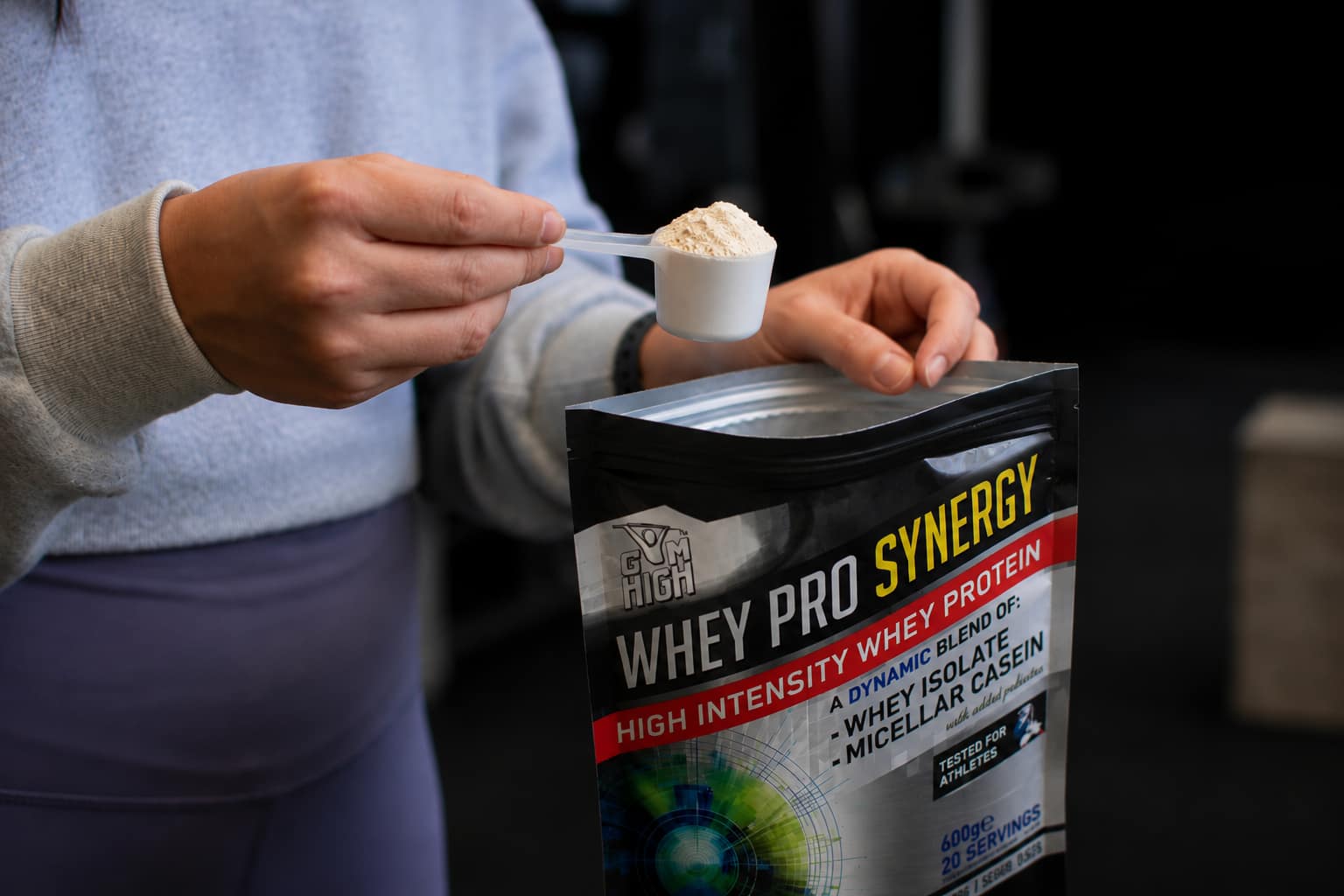
Ensuring your protein powder is top-notch involves looking at the quality assurance process. This is where testing and certifications come in.
Third-Party Tested Supplements UK
Independent testing can check matters such as declared ingredients, selected contaminants or substances prohibited in sport. Its value depends on the methods, batch and scope of the test. Look for an identifiable report or certification rather than assuming that a third-party test proves every claim about purity, safety or effectiveness.
When comparing third-party tested supplements UK, ask what was tested and whether the report covers the product you are buying. A composition check and a banned-substance screen answer different questions. Clear, current information is more useful than an unexplained testing logo.
Informed-Sport Certified Products
Athletes subject to anti-doping rules should assess the need, risks and consequences of using a supplement. Informed-Sport batch testing can reduce the risk of prohibited-substance contamination, but it cannot make a product risk-free or guarantee that an athlete will not test positive. Check the exact product, flavour and batch number before use and retain the details.
Even when a product is described as Informed-Sport certified, look up its current batch record rather than relying on the wording or logo alone. Certification concerns the programme’s testing scope; it does not establish that a powder will be effective for every training goal. Keep that distinction in mind when comparing nutritional quality with anti-doping risk management.
Allergen Clarity and Lactose-Friendly Options
Finally, allergen clarity is crucial, especially for those with sensitivities. Clear labels indicating common allergens can prevent unwanted reactions. Look for lactose-friendly protein options if you’re lactose intolerant.
Being informed about allergens ensures you choose a protein powder that won’t disrupt your diet or health. Always read the labels carefully and select products that specify allergen information clearly.
In conclusion, knowing what to look for in a protein powder can transform your fitness results. Whether it’s sourcing, amino acids, or certifications, each aspect plays a role in your success. Equip yourself with this knowledge, and your next protein purchase will be your best yet.