

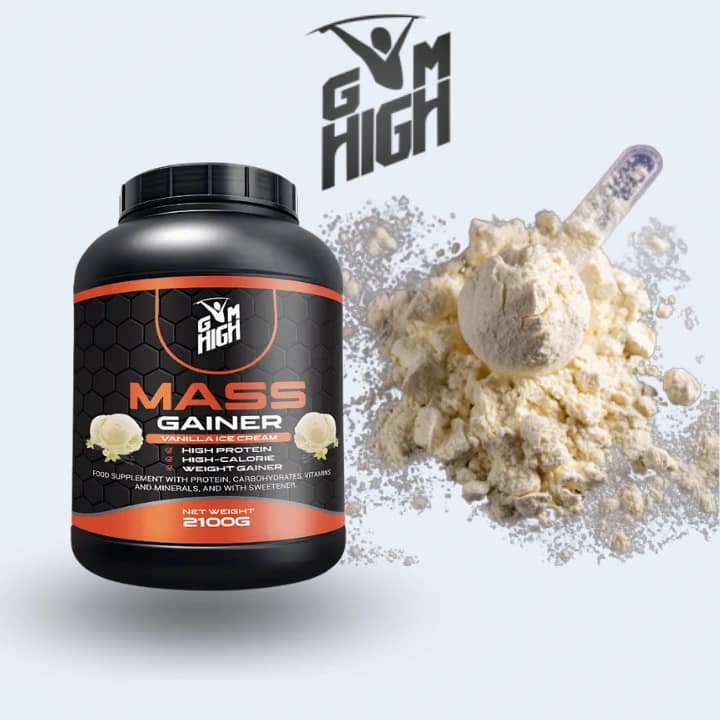
Mass gainers and protein powders can look similar, but they solve different nutritional problems. A standard protein powder concentrates on providing protein in a convenient serving. A mass gainer combines protein with a larger contribution of carbohydrate and total energy.
This guide compares mass gainer vs protein powder by purpose, calorie profile, serving flexibility and everyday use, so you can choose the option that fits your food intake and training plan.
Mass Gainer vs Protein Powder at a Glance
| What to compare | Protein powder | Mass gainer |
|---|---|---|
| Primary role | Add protein to an otherwise adequate diet. | Add protein together with more carbohydrate and total calories. |
| Calorie profile | Usually lower per serving. | Usually higher per serving; always compare the complete label. |
| Carbohydrate | Commonly lower, although formulas differ. | Commonly higher to increase the energy supplied by the shake. |
| Best fit | Your calories are on target, but protein is consistently difficult to reach. | You struggle to consume enough total calories as well as enough protein. |
| Serving approach | Often easier to add to meals, snacks or a simple shake. | A smaller starting serving may be useful when the labelled serving is large. |
| Common mistake | Adding it when the diet already supplies sufficient protein. | Choosing the biggest calorie number without checking serving size, ingredients or total daily intake. |
What Is Protein Powder?
Protein powder is a concentrated source of dietary protein. Whey, milk and plant-based blends are common examples. It can be useful when meals provide enough total energy but do not consistently supply the amount of protein required by your eating plan.
Protein contributes to the growth and maintenance of muscle mass, but a shake does not replace progressive training or the rest of the diet. Compare the protein source, amount per serving, complete ingredients, allergens and preparation instructions rather than choosing from the front-of-pack wording alone.
Protein powder may be the better fit when:
- your usual meals already provide enough calories;
- protein is the main nutritional gap you want to address;
- you prefer a lower-calorie shake with flexible uses;
- you want to add protein to oats, smoothies or another meal.
What Is a Mass Gainer?
A mass gainer is a higher-energy shake that normally combines protein with a greater amount of carbohydrate and sometimes fat. Its practical purpose is to make it easier to add calories and protein when appetite, time or meal size makes a consistent calorie surplus difficult.
The calorie figure only makes sense alongside the serving size. Check how many scoops and how many grams create the advertised serving, then compare the protein, carbohydrate, fat and sugar provided by that real portion. A larger number is not automatically a better match for your needs.
A mass gainer may be the better fit when:
- both total calories and protein regularly fall below your plan;
- another full meal is difficult to fit into your schedule;
- you want a convenient shake between normal meals;
- the serving size can be adjusted to suit your overall intake.
If you are comparing products specifically to support a calorie-surplus diet, see our broader guide to protein powders and shakes for healthy weight gain.
Is Mass Gainer Different for Men and Women?
No separate formula is automatically required because someone is male or female. The relevant factors are individual energy requirements, current food intake, training, dietary preferences, allergens and the amount that can be used consistently.
Serving requirements can vary considerably between individuals, so neither the largest serving nor a gendered label should make the decision for you. Women who want a more specific explanation can read our practical UK guide to weight gain shakes for women.
How to Compare the Labels Properly
1. Compare calories per actual serving
Check the scoop count and total serving weight. Comparing two headline numbers is misleading when one serving is much larger than the other.
2. Identify what is missing from your diet
If you only need more protein, a standard powder may be sufficient. If your total energy intake is also consistently low, a mass gainer may be more practical.
3. Read the protein and carbohydrate sources
Look for clearly named ingredients and a complete nutrition panel. The label should allow you to understand where its protein and calories come from.
4. Check allergens and dietary suitability
Whey and milk proteins are unsuitable for some diets, while plant-based products can have different allergen considerations. Use the current product label as the final reference.
5. Consider serving flexibility and cost
A product is only useful if its portion size, preparation, taste and cost fit your routine. Compare the cost of the serving you would realistically use, not simply the price of the container.
Can You Use Mass Gainer and Protein Powder Together?
They can appear in the same diet, but using both is not automatically necessary. First estimate what your normal meals provide, then choose the smallest practical addition that fills the remaining gap. Adding supplements without considering total intake can supply more calories or protein than your plan requires.
Frequently Asked Questions
Is mass gainer better than protein powder?
Neither is universally better. Protein powder is usually the more direct choice when protein is the only shortfall. Mass gainer is designed for situations where additional calories and protein are both required.
Does a mass gainer automatically build muscle?
No. A mass gainer supplies nutrients and calories. Building muscle also requires an appropriate training stimulus, adequate total nutrition and consistent recovery.
Can a mass gainer replace meals?
It should supplement a varied, balanced diet rather than replace normal meals. Whole foods provide variety and nutrients that should remain the foundation of the diet.
When should you take a mass gainer?
There is no mandatory time. Many people use a shake between meals or when it fits conveniently around training. Meeting the planned daily intake consistently matters more than choosing a supposedly perfect minute.
Is mass gainer suitable for women?
It can be, provided the ingredients, allergens, serving and calorie contribution suit the individual. Women do not automatically need a separate type of mass gainer.
Choose the Formula That Fits Your Plan
Need additional calories as well as protein? Review the complete formula, nutrition information and serving directions for GYM HIGH Mass Gainer. If calories are already covered, compare the protein-focused options instead.
View GYM HIGH Mass Gainer Compare Protein PowdersIf you have lost weight suddenly or without changing your diet or activity, speak to a GP rather than attempting to address it with a supplement. See the NHS guidance on gaining weight gradually.