

Choosing the right protein powder in the UK can feel like navigating a maze. Not all powders deliver the muscle recovery and clean nutrition you expect. This guide breaks down what truly matters—from amino acid profiles to third-party testing—so you know exactly what to pick for your post-workout shake. Keep reading to find the best whey protein UK and beyond, tailored to your fitness goals. Check out this useful link for more insights.
Evaluating Protein Quality
Understanding what makes a protein powder superior will boost your fitness journey. Let’s delve into the significant aspects that define quality.
Quality of Protein Source
Choose a protein source that fits your diet and provides a useful amount of protein per serving. Grass-fed sourcing is a farming choice, not proof of better muscle growth or purity. Pea and rice is one plant-based combination, but it is not the only option. Compare the amino acid profile, serving size, allergens and taste rather than assuming one ingredient pairing is compulsory.
Complete Amino Acid Profile
A complete amino acid profile is non-negotiable in a high-quality protein powder. These essential amino acids, including BCAAs and EAAs, are the building blocks your body needs to repair and grow muscle. Check the label: a balanced amino profile supports all your muscle recovery needs. Most people overlook this, but it’s crucial for achieving your fitness goals.
Leucine Content Per Serving
Leucine is involved in the signals that stimulate muscle protein synthesis. Around 2–3 g of leucine is often discussed in research on adult protein meals, but it is not a universal pass-or-fail test for a powder. The full essential amino acid supply, total protein dose and the rest of your diet also matter. More leucine alone does not automatically mean better results.
Key Features to Consider
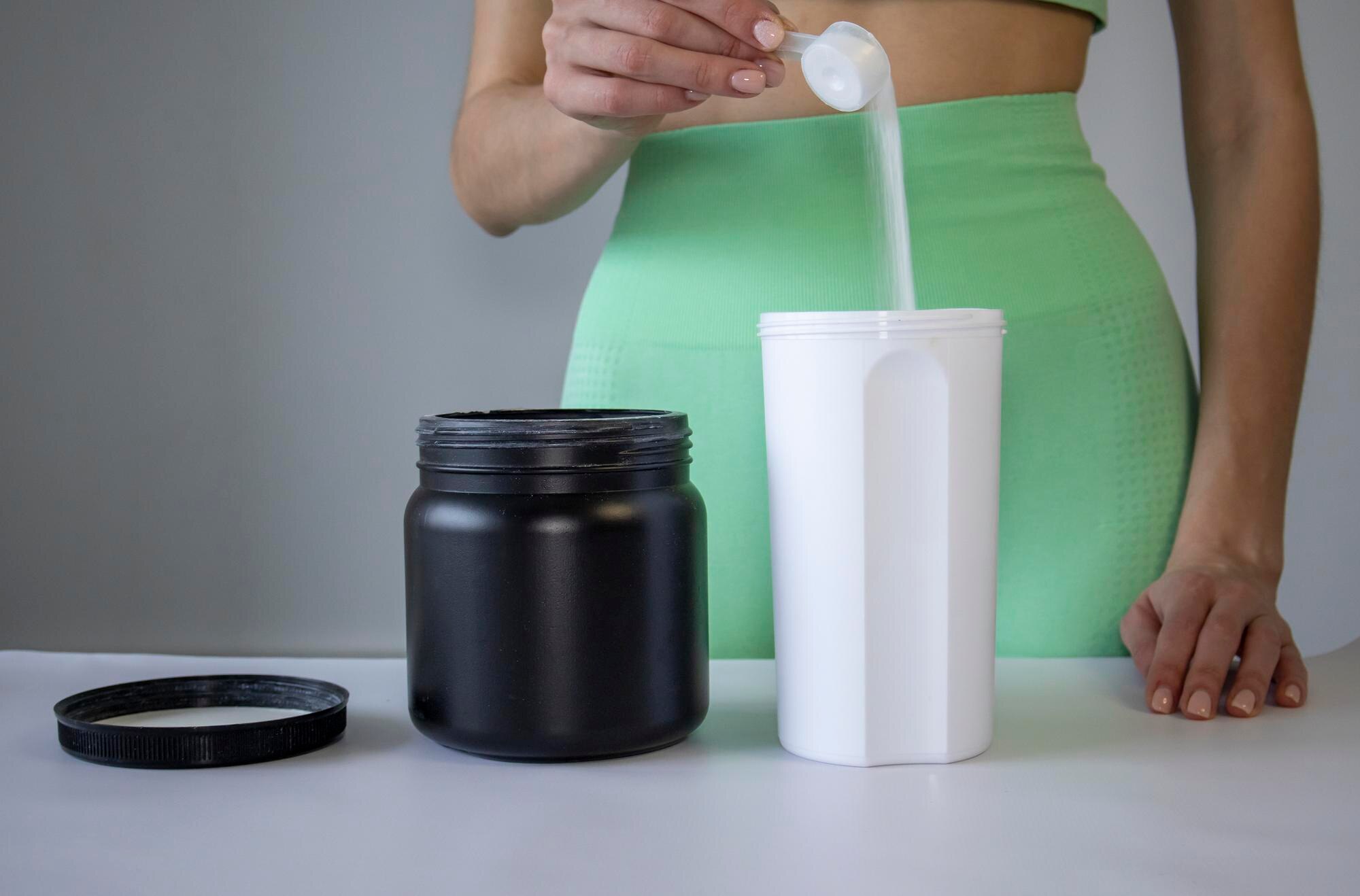
Beyond the protein itself, several features can affect your overall experience with the product. Let’s explore these critical aspects.
Third-Party Tested Supplements
Independent testing can help you assess a product, but different schemes test different things. Informed-Sport certification is a batch-testing programme intended to reduce the risk of prohibited-substance contamination; it does not guarantee zero risk or prove a powder’s training effects. Check the exact product and batch in the programme’s records. For broader advice on choosing protein ingredients, see Mayo Clinic’s insights.
Mixability and Taste
No one wants a protein shake that’s hard to mix or unpleasant to drink. Look for powders that dissolve easily in water or milk without clumping. Taste matters, too. Whether it’s chocolate, vanilla, or a fruity option, your shake should be something you look forward to. A protein that tastes great is easier to stick with.
Value Per 25g Protein
When evaluating price, consider the value per 25g of protein. This measure helps you compare products fairly. A high-quality protein powder will provide substantial protein content without unnecessary fillers or sugars. This approach ensures you get the most nutrition for your money. It’s a smarter way to shop.
Choosing the Right Protein

Now that you know what to look for, it’s time to decide which type suits your needs best. Here’s a breakdown to guide you.
Whey Isolate vs Concentrate
The choice between whey isolate vs concentrate depends on your goals. Isolates are purer, with more protein per serving and less fat and lactose, making them ideal if you’re watching your intake. Concentrates offer a slightly richer nutrient profile and can be more cost-effective. Both have their perks, so consider what aligns with your needs.
Vegan Protein Powder UK
For those avoiding animal products, plant-based protein powders can be a practical option. pea and rice protein is one blend, while soy and other combinations can also provide useful protein. Compare the complete serving and how it fits your daily intake rather than insisting on one recipe. Taste and texture vary between products; Reddit discussions may help you understand preferences, but they do not establish a powder’s nutritional quality.
Post-Workout Shake UK
A muscle recovery protein can be a convenient way to fill a gap in your daily intake, and fruit or oats can add carbohydrate after a demanding session. A shake is not required if a normal meal meets those needs. Daily protein intake matters more than racing a fixed 30-minute deadline, especially if you ate protein before training. Recipe ideas on YouTube can help with flavour and preparation.
Choosing the right protein powder involves more than just picking a flavour. With this guide, you’re equipped to make an informed choice that aligns with your fitness goals. By focusing on quality, complete nutrition, and personal needs, you can trust that your protein powder will support your journey to peak performance.
Designed for strength, recovery, and training output.