

Most creatine supplements promise strength gains, but few deliver the full picture. You need to know how to choose creatine that truly supports your ATP phosphocreatine system for real power boosts. This guide breaks down the forms, dosing strategies, and quality markers you must understand to pick the best creatine for strength—so you can train smarter and lift heavier. For more information on different types of creatine, check out this helpful resource.
Understanding Creatine Basics

Before diving into the specific types of creatine and how to choose the best one, let’s explore the fundamentals. Grasping the science behind creatine and its role in your body is vital.
Science Behind Creatine
Creatine is a compound naturally found in muscle cells. It helps produce energy during high-intensity exercise. When you supplement creatine, you’re increasing your muscles’ phosphocreatine stores, which aids in producing more ATP. ATP is a key energy source for heavy lifting and intense workouts.
Creatine monohydrate has been widely studied alongside resistance training. Research supports benefits for repeated short, high-intensity efforts, but individual strength and muscle changes vary. There is no basis here for promising 5–10% more muscle in less than two months. Here’s a deep dive into creatine science if you’re curious.
The ATP Phosphocreatine System
The ATP phosphocreatine system helps supply energy for short, high-intensity efforts such as lifting or sprinting. Creatine helps replenish ATP between these efforts; that is different from providing a stimulant effect or guaranteeing longer endurance sessions.
Think of phosphocreatine as your muscle’s energy reserve. It’s like having a backup power source when you need it most. This system is particularly useful for power athletes and bodybuilders. Want to understand more? Check out this detailed explanation.
Choosing the Right Creatine
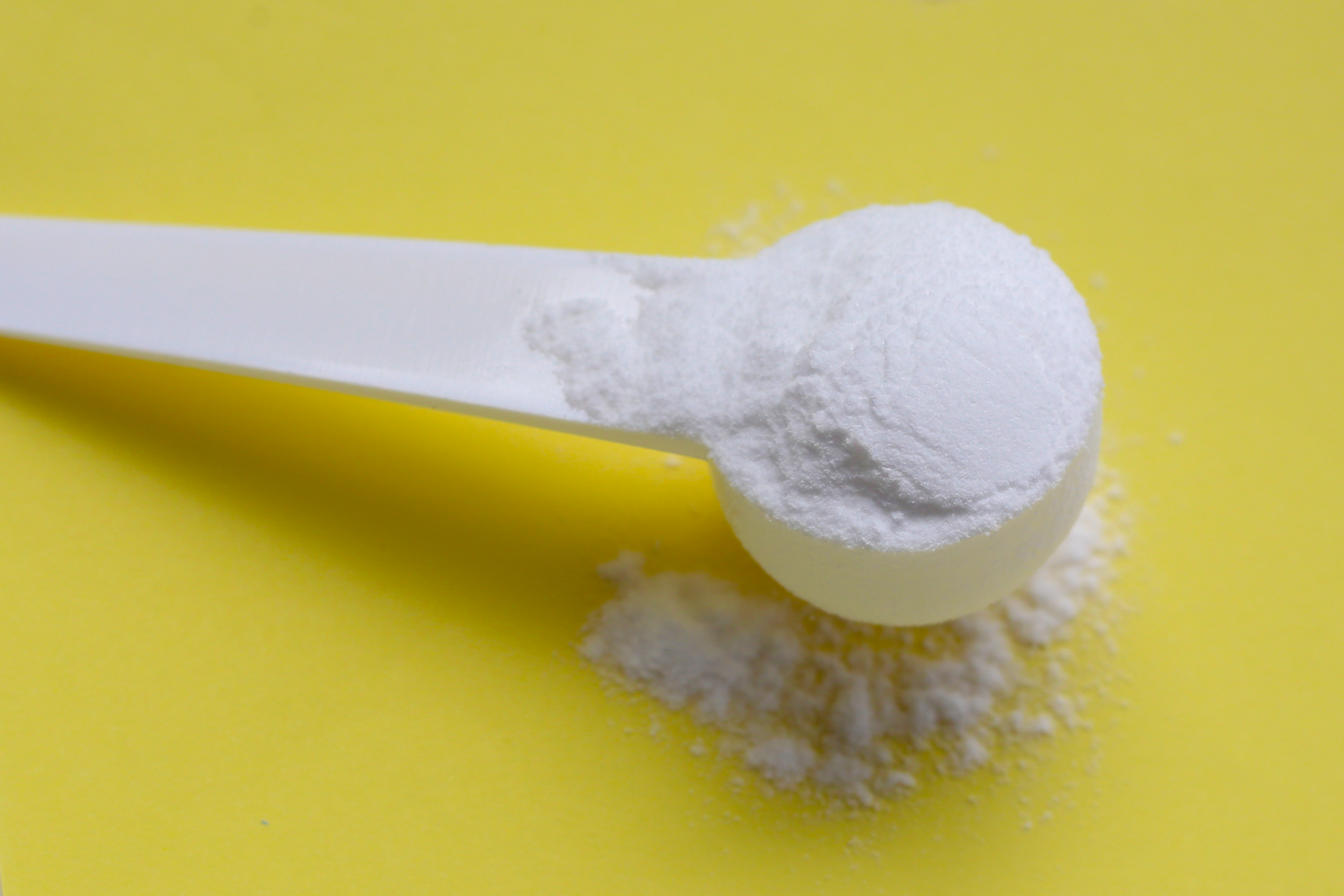
Creatine is sold in several forms, but different names do not establish different benefits. Compare the evidence, ingredient amounts and cost before choosing.
Creatine Monohydrate vs HCl
Creatine monohydrate is the most extensively studied form and is often a straightforward, affordable choice. Research results depend on the people and training programme studied; a fixed 10–15% strength improvement should not be treated as an expected personal result.
Creatine HCl is marketed for its solubility, but better mixing does not establish better muscle uptake or an effective smaller dose. Evidence has not established its superiority to monohydrate. If you’re comparing forms, this comparison gives further context.
Micronised and Buffered Creatine
Micronised creatine monohydrate has smaller particles, which may make a drink less gritty. Easier dispersion is a practical feature, rather than proof of greater absorption or better training results.
Buffered creatine is marketed as more resistant to breakdown, but this does not establish better muscle uptake, performance or digestive tolerance than monohydrate. Compare evidence rather than assuming fewer side effects. See this guide for more context.
Dosing and Quality Considerations

Choosing the right creatine is just one part of the equation. Understanding how to dose and assess quality ensures you get the most out of your supplement.
Creatine Loading Phase Explained
An optional loading approach studied with creatine monohydrate is about 20 g per day, divided into four portions, for 5–7 days, followed by 3–5 g per day. It raises muscle stores more quickly but is not essential. This is a monohydrate protocol, not permission to exceed the directions for a capsule blend.
Alternatively, 3–5 g of creatine monohydrate daily can raise muscle stores more gradually without loading. Follow the directions for your chosen product; the weight of a multi-ingredient blend is not necessarily the amount of pure creatine.
Capsules vs Powder Creatine
When it comes to creatine, you can choose between capsules and powder. Powder is typically more cost-effective and versatile. You can easily mix it into shakes or water. Many users find it fits seamlessly into their routine.
Capsules offer convenience, especially for those on the go. They eliminate the need for mixing, which some find appealing. The choice between these forms often boils down to personal preference and lifestyle.
💪📈
In conclusion, creatine can be a powerful ally in your fitness journey. Understanding its science, choosing the right form, and correctly dosing is key to maximising its benefits. Armed with this knowledge, you’re ready to make an informed decision and elevate your strength and power training.