

Protein powder, creatine, caffeine and vitamin D serve different roles. None is essential for every gym-goer.

Start with the gap in your routine. Protein powder can make a planned protein intake more convenient, creatine can fit repeated high-intensity training, caffeine is an optional stimulant, and vitamin D should be considered in the context of UK seasonal guidance. Training, food, sleep and hydration still do the main work.
- Protein powder: a convenient food format when regular meals do not cover a planned protein intake.
- Creatine monohydrate: a widely studied option for repeated high-intensity training; consistency and the labelled daily serving matter.
- Caffeine: an optional stimulant that requires a check of total intake from coffee, tea, energy drinks, medicines and supplements.
- Vitamin D: a vitamin covered by specific UK seasonal guidance, not a shortcut to better gym performance.
Choose according to your diet, training and the complete label. Adding several products at once makes it harder to identify what is useful and increases the risk of overlapping ingredients.
Four common gym supplements at a glance
1. Protein powder: a convenient way to reach a protein target
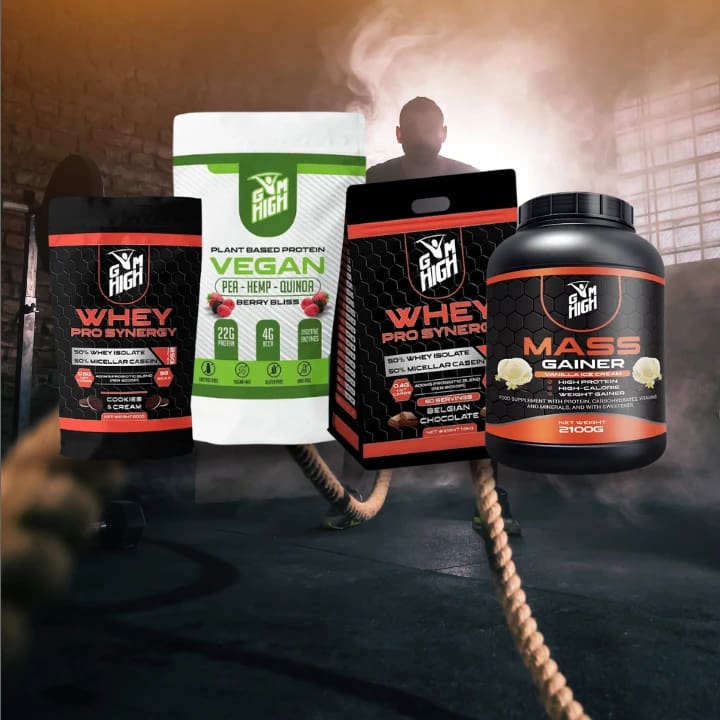
Protein powder is a convenient food format, not a requirement for building muscle. It may be useful when work, appetite or meal timing makes a planned daily protein intake difficult to reach through regular food alone.
Protein contributes to the growth and maintenance of muscle mass. That does not mean more powder is automatically better. Compare the protein provided by the complete serving, the protein source, allergens, added ingredients and how the serving fits the rest of your diet.
If you already reach an appropriate protein intake through food, a shake may add convenience but is not essential. Our protein powder label guide explains how to compare whey, plant-based formulas and complete serving information.
2. Creatine monohydrate: support for repeated high-intensity training

Creatine monohydrate is one of the most extensively studied sports-supplement ingredients. It is commonly used alongside resistance training and other activities involving repeated short, hard efforts.
Check how much creatine the complete daily serving provides and follow the directions on the label. Powder and capsules are different delivery formats; the useful comparison is the disclosed ingredient and amount, not how dramatic the product name sounds or how many forms of creatine appear on the front.
Consistency is usually more practical than chasing a narrow timing window. If you use both supplements, see our guide to mixing creatine with protein powder.
3. Caffeine: alertness, focus and total daily intake

Caffeine is a stimulant found in coffee, tea, energy drinks and many pre-workout products. Some people choose it before training, while others avoid it because of sensitivity, late training times or sleep disruption.
The Food Standards Agency notes that caffeine intake up to 400 mg per day is unlikely to cause adverse effects for most healthy adults, but this is a safety reference rather than a target. The total includes every source. Pregnancy guidance is lower, and people can experience effects at much smaller amounts.
Read the amount per full serving, account for coffee and other drinks, avoid combining several caffeinated products and never assume that a larger dose means a better session. Follow the label and do not dry-scoop powdered supplements.
4. Vitamin D: UK seasonal guidance

Vitamin D belongs in this guide because UK public-health guidance is specific, not because it is a bodybuilding booster. The NHS says adults and children over four should consider a daily supplement containing 10 micrograms of vitamin D during autumn and winter. Some people at higher risk of low vitamin D are advised to consider it throughout the year.
Check whether vitamin D is already present in another supplement before adding it. The NHS advises most adults not to exceed 100 micrograms (4,000 IU) per day unless following different medical advice.
How to decide whether a supplement fits
- Define the gap. Decide whether the issue is convenience, a specific training demand or official seasonal nutrition guidance.
- Check food and routine first. A supplement cannot replace suitable meals, progressive training, sleep or hydration.
- Read the full serving. Compare the active amount, directions, allergens and number of servings rather than relying on front-label claims.
- Check for overlap. Caffeine, vitamins and other ingredients can appear in more than one product.
- Add one change at a time. This makes the routine easier to understand and review.
If you take medication, have a diagnosed condition, are pregnant or breastfeeding, or are unsure whether a supplement is appropriate, seek advice from a qualified healthcare professional.
Supplements support the plan — they do not replace it
A useful supplement has a clear job and a transparent serving. If you cannot explain the gap it solves, there may be no reason to add it. Keep the routine simple, follow the label and judge the product within the context of your complete training and nutrition plan.
Competitive athletes need an additional check. UK Anti-Doping states that no supplement can be guaranteed free from prohibited substances. Athletes remain responsible for what they consume and should assess the need, risk and consequences, including the batch-testing status of the exact product and batch.
Great breakdown of the core gym supplements! It’s easy to get overwhelmed, but this makes it clear and simple. I personally use products like these to keep my fitness and recovery on track. Solid for anyone starting out or getting serious in the gym!
Really helpful breakdown of the essentials – simple, clear and backed by science! I’ve been focusing more on recovery lately and didn’t realise how much Vitamin D could affect that. Thanks for sharing this!
Honestly, this is a solid breakdown and it feels like the starter pack of every gym newbie in the UK needs before splashing cash on random tubs of mystery powder. Protein, creatine, caffeine, vitamin D is pretty much the core squad.