

Most creatine supplements promise strength gains, but few deliver the full picture. You need to know how to choose creatine that truly supports your ATP phosphocreatine system for real power boosts. This guide breaks down the forms, dosing strategies, and quality markers you must understand to pick the best creatine for strength—so you can train smarter and lift heavier. For more information on different types of creatine, check out this helpful resource.
Understanding Creatine Basics
Before diving into the specific types of creatine and how to choose the best one, let’s explore the fundamentals. Grasping the science behind creatine and its role in your body is vital.
Science Behind Creatine
Creatine is a compound naturally found in muscle cells. It helps produce energy during high-intensity exercise. When you supplement creatine, you’re increasing your muscles’ phosphocreatine stores, which aids in producing more ATP. ATP is a key energy source for heavy lifting and intense workouts.
Most athletes find that creatine leads to improved strength, muscle mass, and workout performance. It’s among the most researched supplements. Studies show it can boost muscle mass by 5-10% in less than two months. Here’s a deep dive into creatine science if you’re curious.
The ATP Phosphocreatine System
The ATP phosphocreatine system is crucial for short bursts of high-intensity exercise. When you sprint or lift weights, your body relies on ATP for immediate energy. Creatine supplements increase phosphocreatine, allowing quicker ATP regeneration. This means you can push harder and longer in your workouts.
Think of phosphocreatine as your muscle’s energy reserve. It’s like having a backup power source when you need it most. This system is particularly useful for power athletes and bodybuilders. Want to understand more? Check out this detailed explanation.
Choosing the Right Creatine
Now that you understand the basics, it’s time to choose the right creatine. The market offers various forms, each with unique benefits and considerations.
Creatine Monohydrate vs HCl
Creatine Monohydrate is the most popular and studied form. It’s effective, affordable, and available everywhere. Monohydrate is perfect for gaining muscle and strength. It’s known to improve strength by 10-15% in some studies.
Creatine HCl, on the other hand, is said to be more soluble. Some users find it easier to stomach, which means fewer digestive issues. It also requires a smaller dose due to its absorption rate. If you’re considering which to choose, this comparison can be helpful.
Micronised and Buffered Creatine
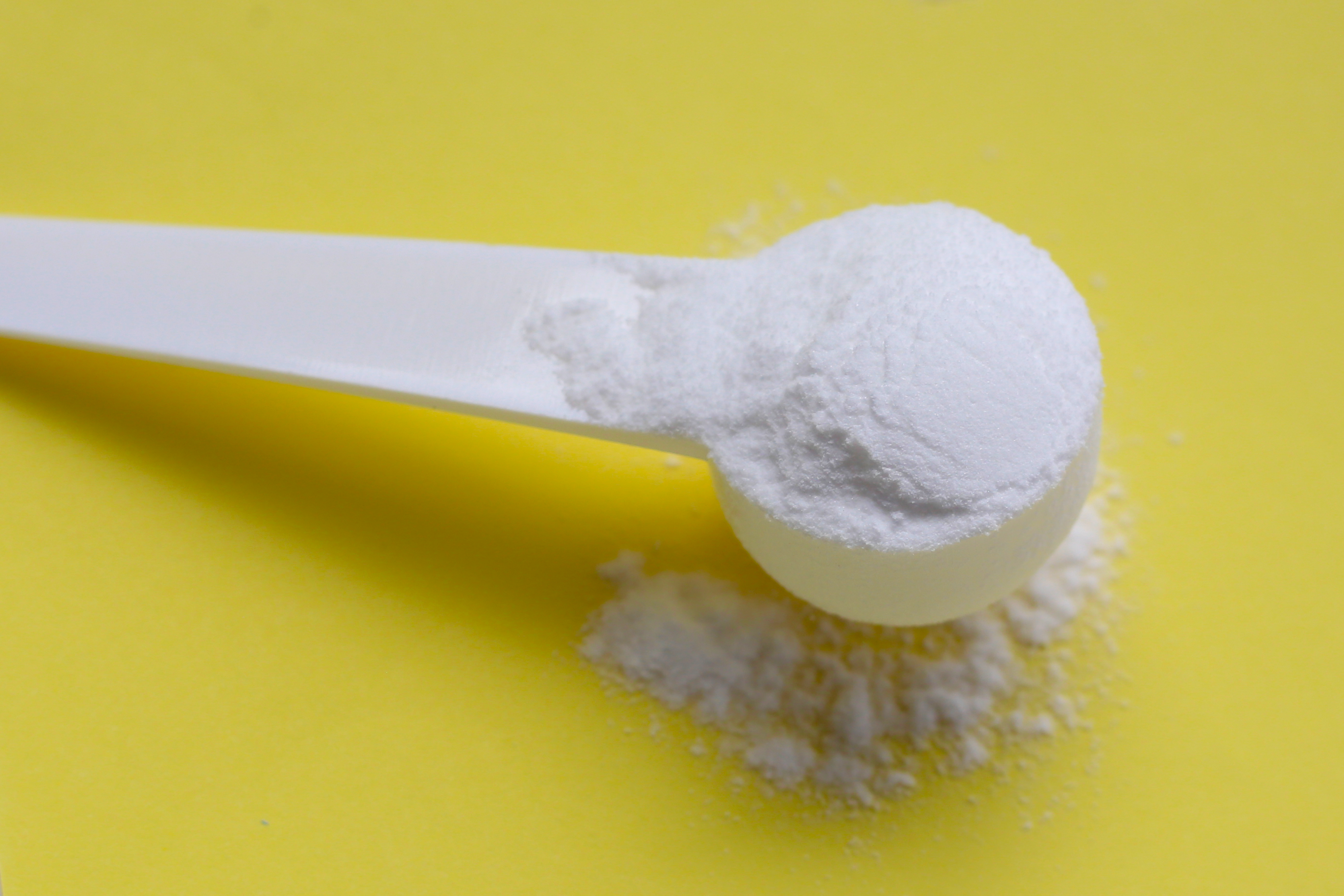
Micronised creatine is a refined form of creatine monohydrate. It dissolves more easily in water, making it less gritty. This feature can enhance absorption, making dosing more consistent and pleasant.
Buffered creatine, marketed as Kre-Alkalyn, claims to prevent creatine breakdown in the stomach. This means your muscles absorb more of the creatine. Users report fewer bloating issues. If these forms sound appealing, visit this guide for more insights.
Dosing and Quality Considerations

Choosing the right creatine is just one part of the equation. Understanding how to dose and assess quality ensures you get the most out of your supplement.
Creatine Loading Phase Explained
For quick results, many start with a loading phase. This involves taking 20g of creatine daily, split into four doses, for 5-7 days. This saturates your muscles faster. After loading, a maintenance dose of 3-5g per day is recommended.
However, some prefer skipping the loading phase, opting for a consistent daily dose of 3-5g. Both methods effectively increase creatine stores over time. The choice depends on your goals and timeline.
Capsules vs Powder Creatine
When it comes to creatine, you can choose between capsules and powder. Powder is typically more cost-effective and versatile. You can easily mix it into shakes or water. Many users find it fits seamlessly into their routine.
Capsules offer convenience, especially for those on the go. They eliminate the need for mixing, which some find appealing. The choice between these forms often boils down to personal preference and lifestyle.
💪📈
In conclusion, creatine can be a powerful ally in your fitness journey. Understanding its science, choosing the right form, and correctly dosing is key to maximising its benefits. Armed with this knowledge, you’re ready to make an informed decision and elevate your strength and power training.