

Plant-based protein vs whey: the debate that’s more than just a diet choice. You want muscle growth and faster recovery, but not all proteins deliver the same results. From amino acid profiles to digestion speed, knowing the facts will help you pick the right fuel for your gains. Let’s break down what really matters so you can choose confidently and train smarter with Gym High. Learn more
Amino Acids and Leucine Content
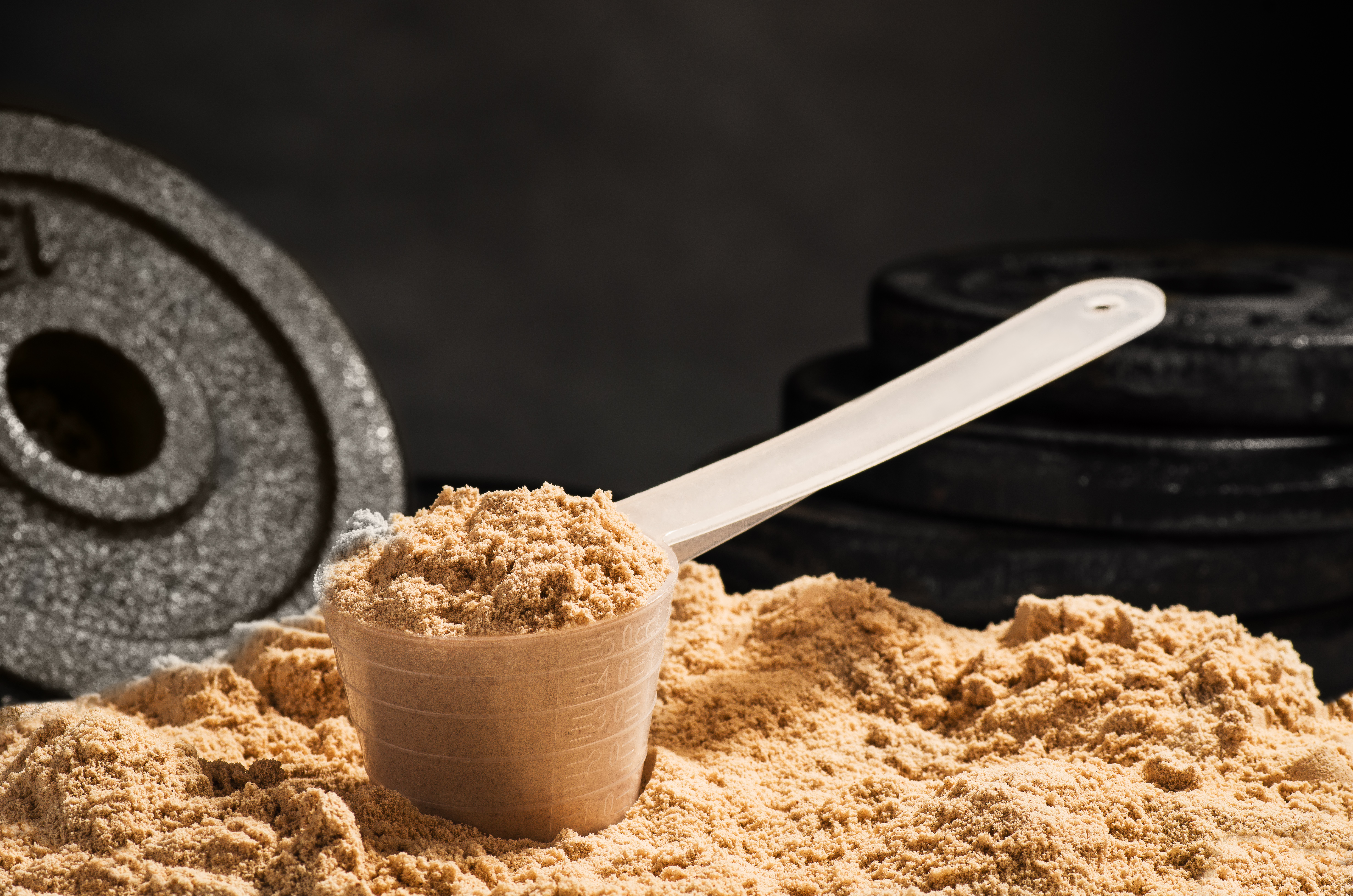
Your choice of protein impacts your muscle gains. Dive into the science of essential amino acids and see why leucine stands out.
Understanding Essential Amino Acids
Essential amino acids (EAAs) are the building blocks your muscles crave. Both plant-based and whey proteins offer these, but the balance varies. Whey protein is known for its complete amino acid profile, meaning it has all nine EAAs your body needs. A single scoop can provide about 24 grams of quality protein, ensuring you get the nutrients necessary for muscle repair and growth.
On the other hand, plant-based proteins like pea and rice blends are also rich sources of EAAs. A blend can reach up to 20 grams of protein per serving. While they may not be as complete as whey on their own, combining different plant sources can give you a similar amino acid profile. For those opting for vegan protein muscle recovery, mixing is key.
Leucine Content and Muscle Growth
Leucine is your best friend for muscle growth. It’s the amino acid responsible for triggering muscle protein synthesis. Whey protein stands out with a high leucine content, usually around 2.5 grams per serving. This makes it a top choice for those focusing on whey protein muscle growth in the UK.
Plant-based protein may contain less leucine, but don’t count it out. By increasing your serving size or choosing a high-leucine blend, you can still meet the leucine threshold necessary for muscle gains. For those allergic or sensitive to lactose, a plant-based option can still support your fitness goals without compromising on results.
Digestibility and Absorption

After understanding amino acids, let’s explore how your body processes different proteins. Protein digestibility is crucial for effective absorption and utilisation.
Protein Digestibility DIAAS and PDCAAS
Two important scores, DIAAS and PDCAAS, measure protein quality. Whey protein scores higher on both, making it more digestible and absorbable. With a DIAAS score of over 100, whey ensures that your body gets the maximum nutrients from each serving. This high score makes it a go-to for athletes aiming to maximise their intake.
Plant-based proteins, such as those derived from pea and rice, often have lower scores. However, when properly combined, their digestibility improves significantly. This makes them a viable lactose-free protein powder option for those with dietary restrictions. Find out more
Fast-Absorbing Post-Workout Proteins
Timing matters, especially post-workout. Whey protein is fast-absorbing, with most of it digested within 30 minutes. This rapid absorption helps in quick muscle recovery and growth. It’s ideal for those who need a quick protein hit after intense workouts.
Plant-based proteins generally take longer to digest. However, certain blends are formulated to speed up the process, making them suitable as fast-absorbing post-workout protein options. If you’re patient, these can still support your muscle-building efforts without the drawbacks of lactose.
Performance Outcomes and Recovery
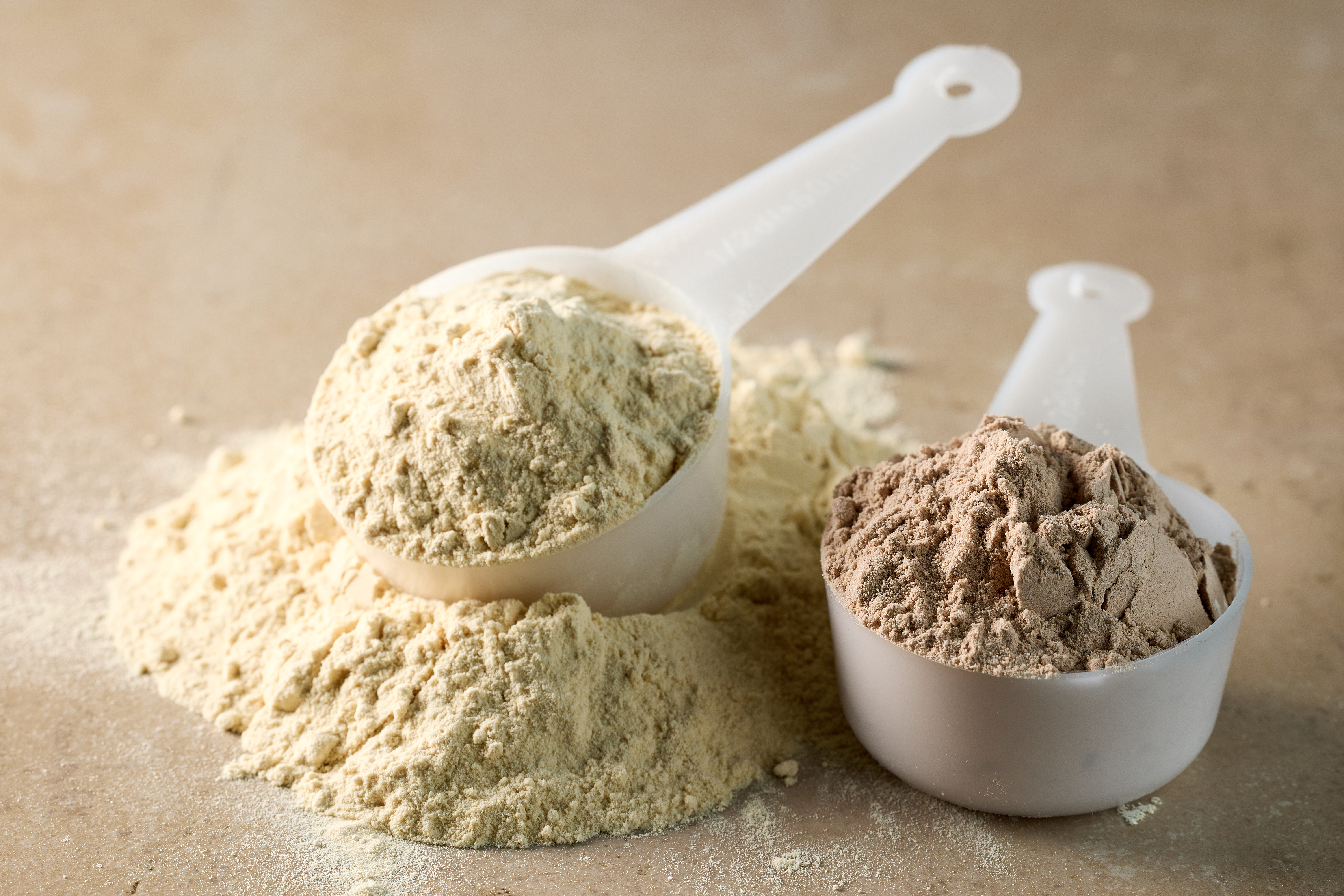
How do different proteins impact your performance and recovery? Let’s explore the distinct benefits each type provides and how they support your training goals.
Vegan Protein Muscle Recovery
Vegan proteins are gaining popularity for their recovery benefits. While whey is known for its quick recovery support, plant-based proteins offer an alternative that’s easier on the stomach. Many users find that a pea and rice protein blend reduces post-workout soreness and speeds up recovery. This makes them a favourite among those looking for vegan protein muscle recovery solutions.
For those who might shy away from plant-based options due to taste, modern formulations have improved. Flavours like chocolate and vanilla make them more palatable, allowing you to enjoy your post-workout shake without the grimace.
BCAAs for Muscle Building
Branched-chain amino acids (BCAAs) are crucial for muscle building. Both whey and plant-based proteins offer these essential nutrients. Whey is a powerhouse, often containing around 5 grams of BCAAs per scoop. Such a composition supports intense muscle-building sessions, making it a staple for many athletes.
Plant-based proteins can also be rich in BCAAs, especially when combined correctly. For those focused on BCAAs for muscle building, these blends can deliver what’s needed for effective muscle repair and growth. Supplementing with additional BCAAs is also an option for those wanting to ensure they meet their muscle-building needs.
In the end, choosing between plant-based and whey protein depends on your individual needs and preferences. Whether you’re drawn to the quick absorption of whey or the gut-friendly nature of vegan proteins, both can support your journey to peak fitness. Whatever you choose, remember that consistency and the right formulation are key to achieving your goals. Explore more options and elevate your performance today.