

You’ve probably heard the debate: whey vs plant-based protein—which truly fuels muscle growth best? Picking the right protein isn’t just about taste or trend; it hinges on your diet, training style, and how your body handles digestion. In this post, you’ll get a clear breakdown of whey protein benefits and vegan protein for muscle gain, helping you choose the best protein for muscle growth with confidence. Ready to build more lean muscle? Let’s get started. Learn more here.
Understanding Whey vs Plant-Based Protein
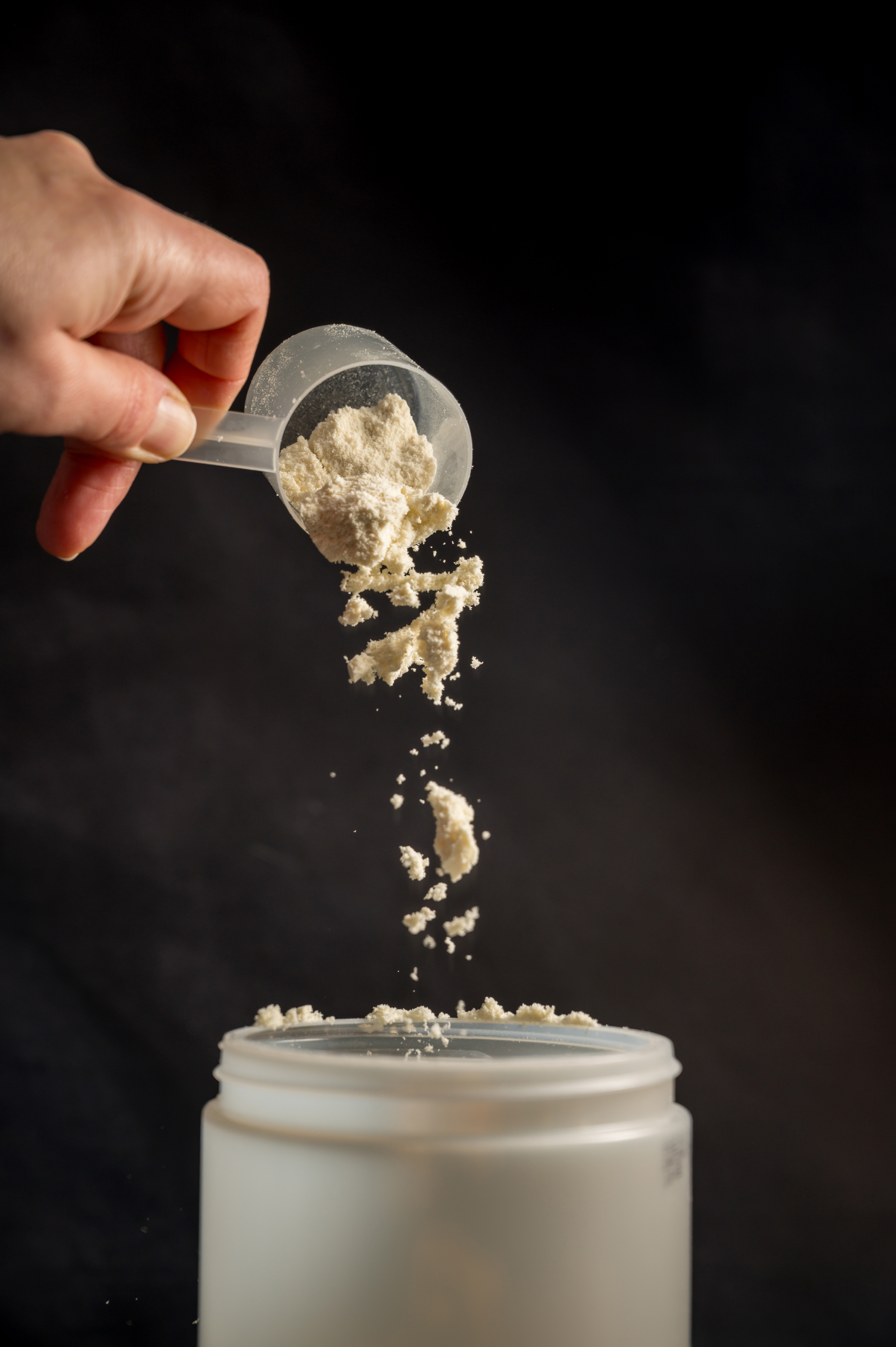
Choosing between whey and plant-based protein can feel like navigating a maze. Both have their unique benefits and can significantly impact your fitness journey.
Whey Protein Benefits
Whey protein is often a go-to choice for athletes and bodybuilders. It comes from milk, making it rich in essential amino acids and BCAAs. These components are crucial for muscle repair and growth. Whey absorbs quickly, making it an ideal post-workout option. This rapid absorption can help your muscles recover faster after a tough gym session. Plus, it’s packed with leucine, the key amino acid for muscle protein synthesis.
However, not all whey is the same. There are different forms, such as isolate and concentrate, each with its unique features. Isolate has higher protein content with less fat and carbs, making it suitable for those watching their calorie intake. Concentrate, on the other hand, retains more of the nutrients found in whole milk, offering a tasty and nutritious option for many.
Vegan Protein for Muscle Gain
For those who steer clear of animal products, plant-based proteins offer a solid alternative. These proteins come from sources like peas, hemp, and brown rice. They are hypoallergenic and easier on the stomach, which can be a relief if you struggle with dairy. Most people think plant-based proteins can’t match whey for muscle gain, but this isn’t always the case.
Pea protein, for example, is packed with BCAAs and supports muscle development. It’s becoming a popular choice in the UK for vegans and vegetarians focused on building muscle. While some plant proteins may lack one or two essential amino acids, blending different sources can create a complete protein profile. Explore more about plant proteins here.
Protein Digestion and Absorption
Digesting protein efficiently is key to making the most of your workout. Whey protein is known for its rapid digestion, which helps in quick muscle recovery. On the flip side, plant proteins tend to digest more slowly. This slower process can actually be beneficial as it provides a steady release of amino acids.
For those with lactose intolerance, plant proteins are a safer bet. Lactose can cause bloating and discomfort, hindering your performance. Choosing a lactose-free whey option can also solve this problem without sacrificing the benefits of whey. It’s vital to consider how your body reacts to different proteins to optimize your fitness results. Learn about protein digestion in detail here.
Choosing the Best Protein for Muscle Growth

With the basics covered, let’s dive deeper into what makes a protein the best fit for your muscle gain goals.
Complete Amino Acid Profile Importance
A complete amino acid profile is crucial for muscle growth. This means your protein should contain all nine essential amino acids. Whey naturally provides this complete profile, which is why it’s often recommended. However, plant-based proteins can also be complete if combined correctly. For example, mixing rice and pea protein can offer all the essential amino acids you need for muscle growth. Don’t underestimate the power of a well-rounded amino acid profile.
Whey Isolate vs Concentrate
Choosing between whey isolate and concentrate can be tricky. Isolate is more processed, removing most of the fat and lactose, which results in a higher protein content per serving. It’s ideal if you’re lactose intolerant or trying to cut down on carbs and fats. Concentrate, while lower in protein, contains more of the nutrients found in whole foods. It’s also usually cheaper and has a richer taste. Your choice depends on your dietary needs and personal preferences.
Lactose-Free Protein Options
If lactose is an issue, don’t worry. There are plenty of lactose-free options available. Many brands offer lactose-free whey, which still provides the benefits of traditional whey without the digestive upset. Plant proteins are inherently lactose-free, making them an excellent option if you want to avoid dairy altogether. It’s all about finding what suits your body best while still meeting your protein needs.
Tailoring Protein to Your Fitness Goals

Now, let’s tailor your protein choice to match your specific fitness objectives.
Pea vs Whey Protein
Pea protein is a strong contender in the plant protein arena. It’s rich in iron and packed with BCAAs, supporting muscle growth just like whey. While whey offers a complete protein solution, pea protein is a great alternative if you’re avoiding dairy. Compare your dietary needs and personal goals when choosing between the two. Remember, both can help you build muscle; it’s just a matter of preference.
Post-Workout Protein Timing
Timing your protein intake can make a difference in muscle recovery. Consuming protein shortly after your workout helps kickstart muscle repair. Whey, with its fast absorption rate, is perfect for this. But if you’re using plant protein, aim to consume it within an hour post-workout for best results. Consistency is key—make post-workout protein a non-negotiable part of your routine.
How Much Protein Per Shake?
Determining how much protein to consume can be confusing. A general guideline is to aim for 20-30 grams of protein per shake. This amount is sufficient to trigger muscle protein synthesis and aid recovery. If you’re using whey, one scoop typically meets this requirement. For plant-based proteins, check the label as serving sizes may vary. It’s crucial to hit these numbers consistently to support your muscle-building efforts.
In conclusion, whether you opt for whey or plant-based protein, both have their perks. Your choice should align with your dietary preferences, digestion, and fitness goals. Remember, the longer you wait to find the right fit, the longer it takes to see results. Choose wisely and fuel your muscle growth effectively.
Visit Gym High for top-quality protein options
Designed for strength, recovery, and training output.